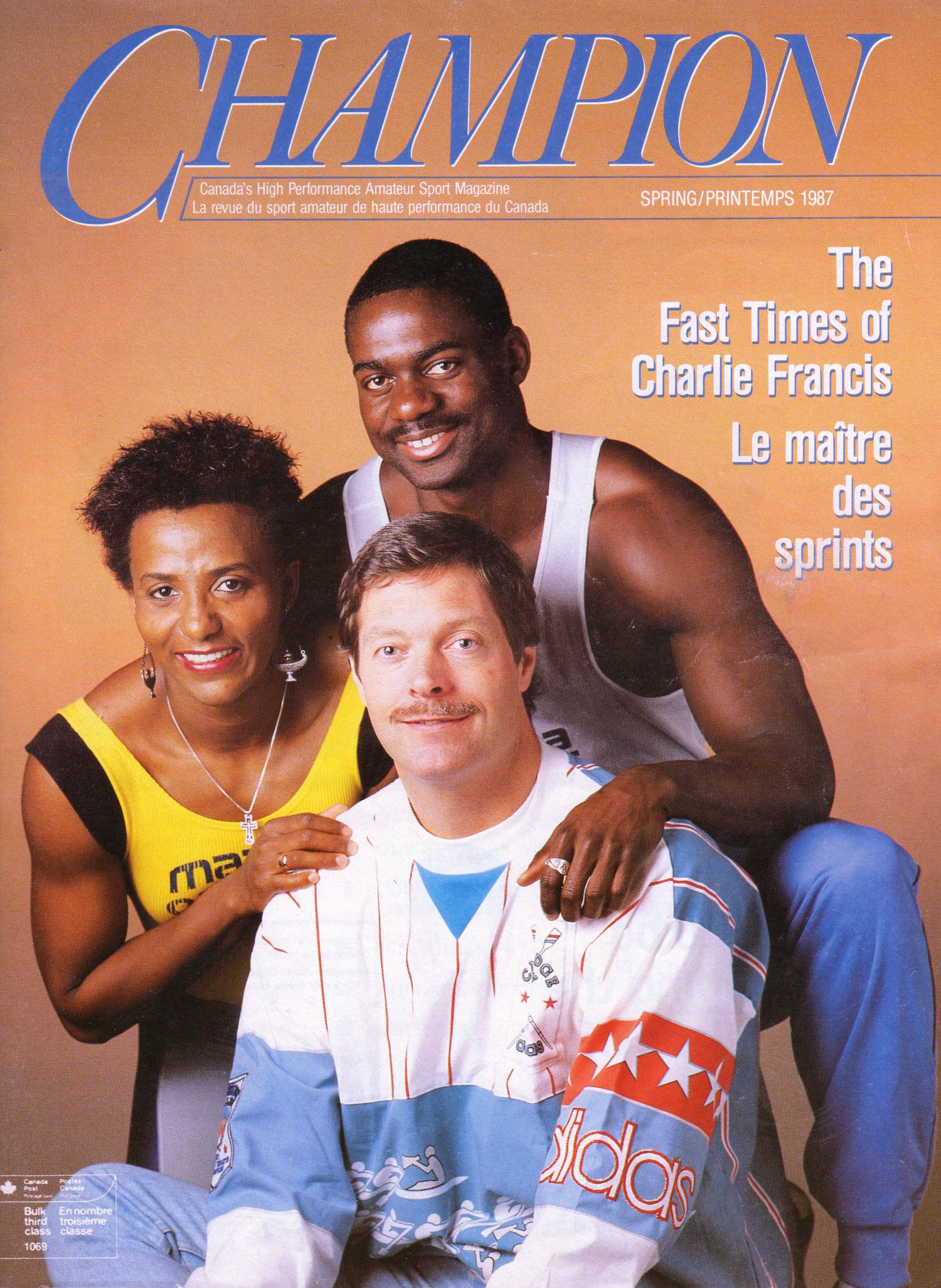
THREE CHAMPIONS
Each from different places in the world. Each had different performances. Each specialized in the most prestigious athletic event, the 100m sprint. Speed, sprinting and running fast was their passion. Check out our real life, real results-based videos, lectures and e-books to learn now how to become the fastest sprinter you can be.
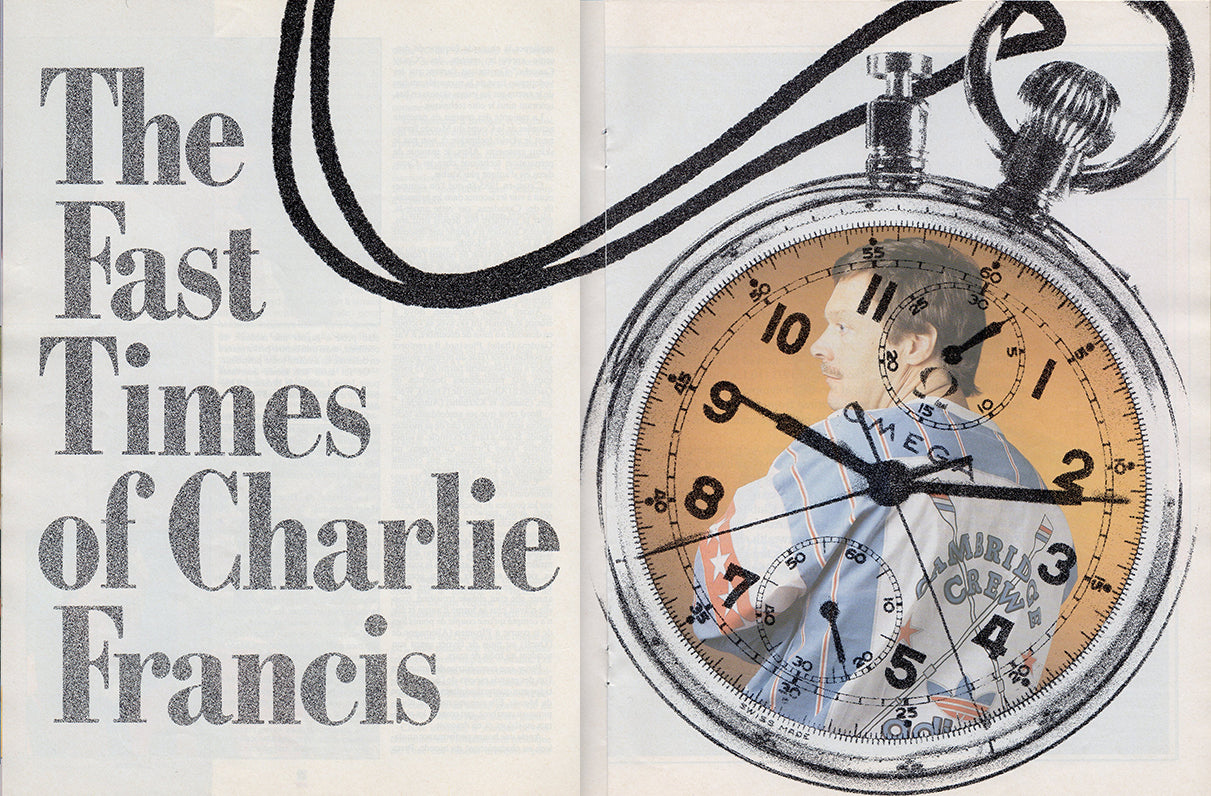
Champion Magazine Interview
Canada’s world record holding sprinters Angella Issajenko and Ben Johnson say that Charlie Francis is the best sprint coach in the world. So who’s going to argue?
What I know for sure is Coach Charlie Francis’s life work has left and has continued to leave an indelible mark globally on sprinters, coaches and the world’s sprint community.
Enjoy both the English and French version of this illuminating interview months prior to Ben Johnson breaking the world record in Rome, Italy September 1987.

The Speed Trap book by Charlie Francis and Jeff Coplon
Charlie Francis has both the knowledge and the freedom to speak candidly about track and field. Speed Trap is the product of that candour, a book that will surprise Canadians.
Charlie Francis, three times a Canadian sprint champion, served as national sprint coach for nine years. He developed athletes who won nine Olympic medals, and who set 23 world records and more than 250 Canadian records. Four of his stars were ranked among the top ten in the world in their respective events. Charlie Francis lives in his native Toronto.
Jeff Coplon is a New York-based investigative writer whose work has appeared in The New Yorker, Rolling Stone and The Village Voice.
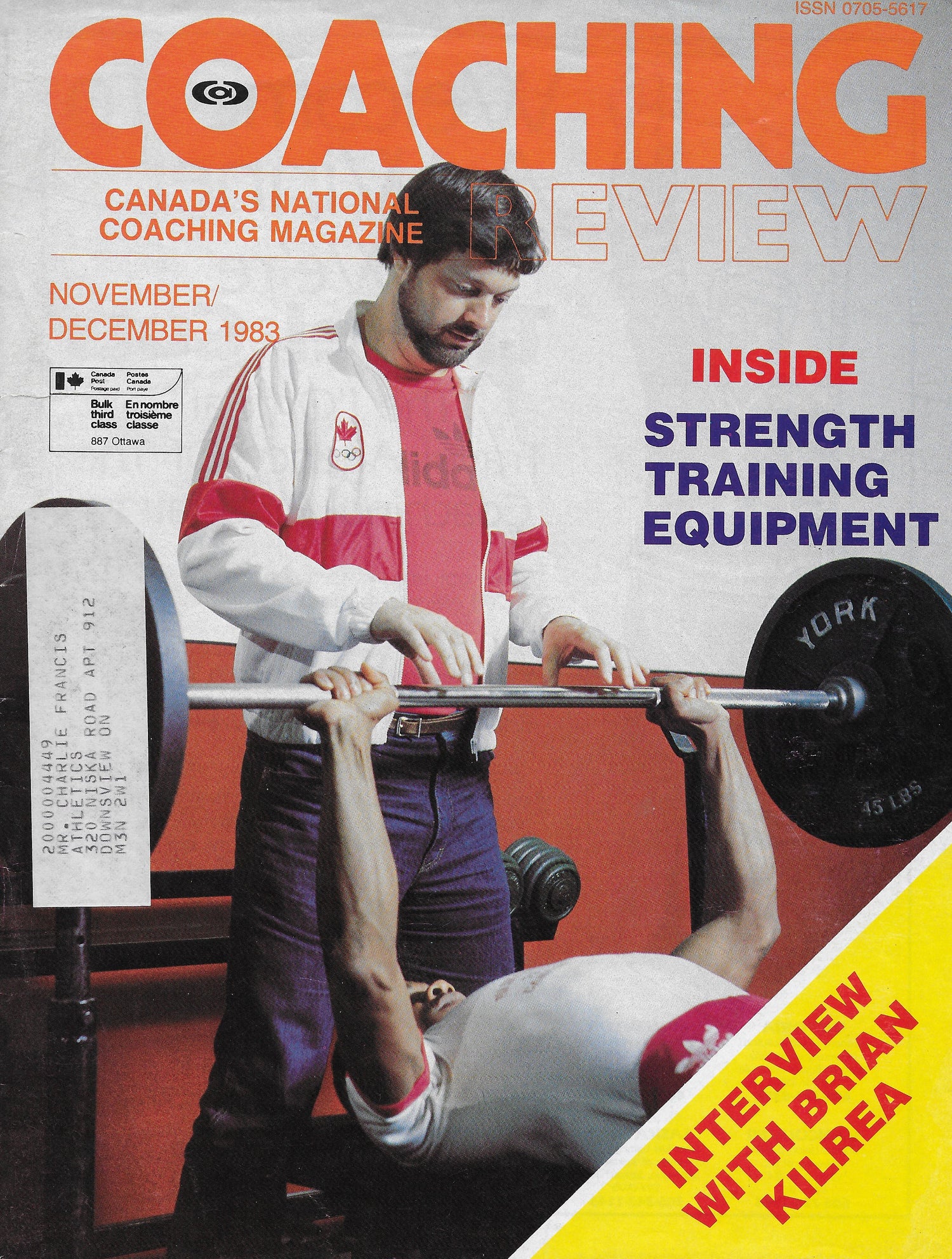
Coaching Review Magazine - Cover Photo
Toronto coach Charlie Francis with one of his worldclass sprinters, Tony Sharpe. His group of sprinters use fixed and free weights in their strength training.
Charlie prioritized free weights and a few key lifts over machines. To learn more regarding Charlie’s strength training for speed coaching check this out
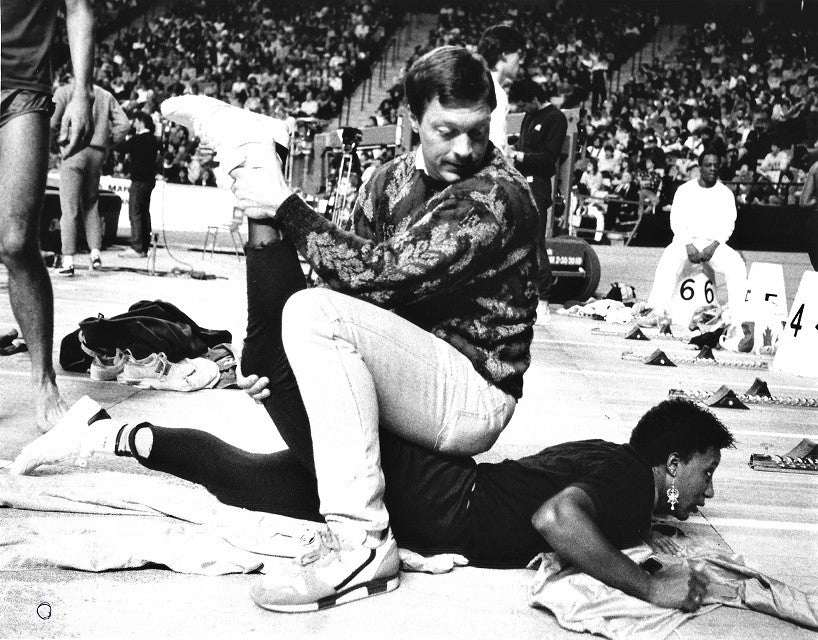
An Interview With Charlie Francis
Track coach editor Russ Ebbets sat down with Canadian coach Charlie Francis at the 3 rd annual Society of Weight Training Injury Specialist at Mississauga, Ontario, Canada in November 2001.
Coach Charlie Francis has continued to be one of the most successful sprint coaches in history. His applied knowledge on the mechanisms regarding the central nervous system and speed training has been storied among physio and massage therapist, coaches, athletes, physicians, academics and anyone interested in the complete breakdown of how to build a champion sprinter.
-
2001 SEMINAR - SANTA CLARITA PART 1 & 2
Regular price $199.00 USDRegular priceUnit price per -
2001 SEMINAR - SANTA CLARITA PART 2
Regular price $115.00 USDRegular priceUnit price per -
Basic Running Mechanics - South Africa Series Practical Session 1 -5
Regular price $29.99 USDRegular priceUnit price per$29.99 USDSale price $29.99 USD -
Business of Coaching ( All 3 Parts )
Regular price $80.00 USDRegular priceUnit price per